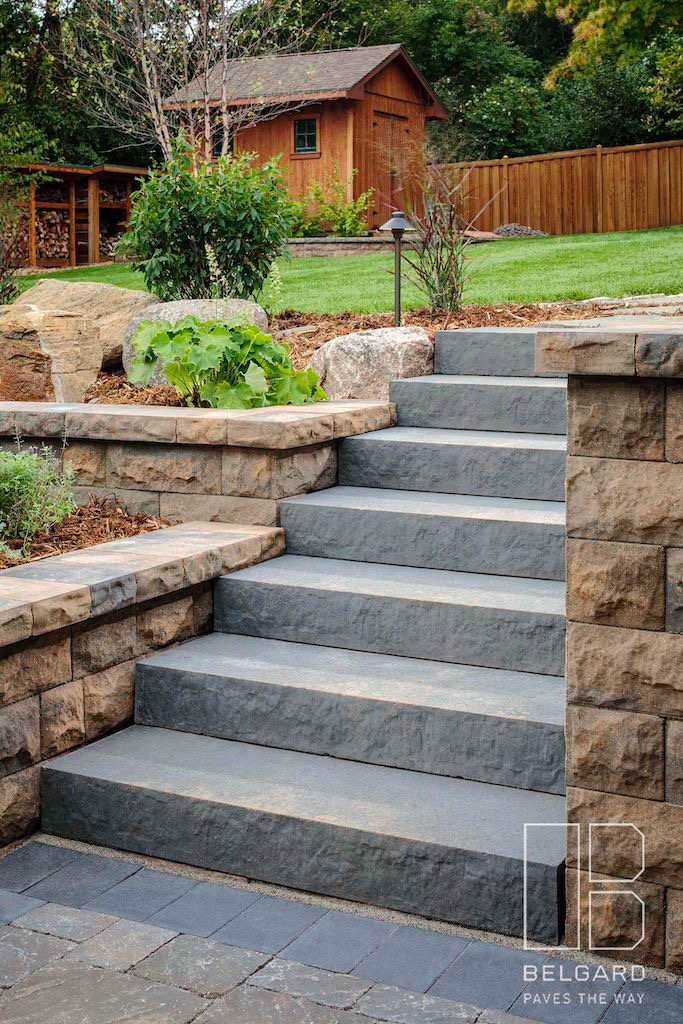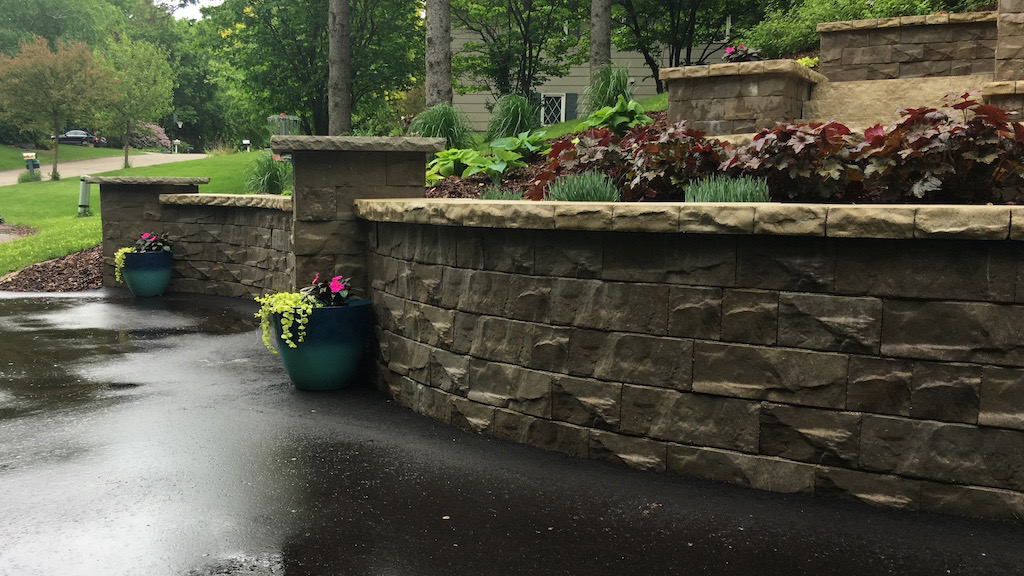
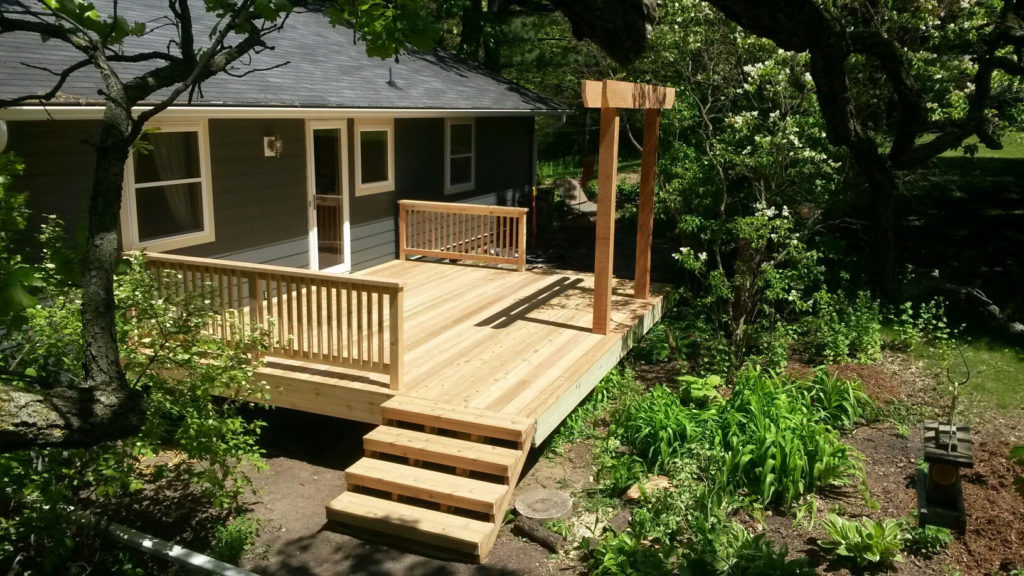
Engaging a landscape design early in the design process lays the groundwork for a successful residential or commercial development. Too often, landscape architecture is brought in late—after major decisions have already been made—limiting its potential impact.
One reason for this is that landscape architects have historically struggled to clearly communicate the full scope of their services. As a result, developers and homeowners may not realize how valuable landscape architecture is during the earliest planning stages.
For full-service landscape architecture and installation, contact Landscape Charlie, located in Shorewood, Minnesota. Unlike many firms, they not only design your project—they also build it.
Why the Pre-Design Phase Matters
At the start of any project, the stakes are high. You’re committing significant time, money, and resources to a vision that will shape how a space functions and feels for years to come.
Unfortunately, many projects rush through—or completely skip—the pre-design phase. This often leads to:
- Budget overruns
- Site-related surprises
- Missed opportunities for added value
- Redesigns that cost time and money
A landscape architect plays a critical role in pre-design by identifying risks, aligning goals, and ensuring outdoor spaces are planned strategically from day one.
4 Essential Steps to a Successful Pre-Design Phase
A strong pre-design phase sets your project up for long-term success. Below are four key steps—and how a landscape architect adds value at each stage.
1. Align Vision, Budget, and Site Constraints
Your budget, timeline, site conditions, and return on investment must all align. Outdoor space budgets are frequently underestimated early on, which can create major financial issues later.
A landscape architect brings market knowledge and cost awareness to the table, helping you:
- Identify unrealistic assumptions
- Adjust scope without sacrificing value
- Balance aesthetics with long-term performance
2. Identify Site Opportunities and Constraints
Before assumptions are made about what a site can or cannot do, a landscape architect evaluates both opportunities and obstacles.
They assess:
- Topography, access, and circulation
- Viewsheds and environmental context
- Connections to surrounding infrastructure and neighborhoods
This early analysis helps create designs that are more functional, marketable, and community-friendly.
3. Maximize Project Value and Returns
Outdoor spaces are no longer an afterthought—they are a major factor in tenant appeal and property value.
Landscape architects stay current on:
- Outdoor living and amenity trends
- Market expectations for residential and commercial projects
- Ways to use landscape design to increase usability and desirability
Strategic landscape design can significantly enhance return on investment while improving user experience.
4. Develop a Clear and Actionable Design Brief
A well-crafted design brief is essential to turning ideas into reality. Landscape architects visit the site, analyze natural conditions like sunlight and access, and translate your goals into a clear, buildable plan.
This ensures:
- Everyone is aligned on scope and expectations
- Design intent is preserved through construction
- Costly revisions are minimized
Key Priorities Landscape Architects Address During Pre-Design
The pre-design phase requires careful planning and informed decision-making. A landscape architect supports this process by addressing several critical priorities:
Market Research
Landscape architects provide insight into outdoor design trends and user expectations, ensuring your project aligns with current market demands.
Vision Definition and Optimization
A skilled landscape architect refines your vision, helping transform broad ideas into a cohesive and achievable design strategy.
Risk Identification and Contingency Planning
Early identification of safety, zoning, environmental, and constructability risks helps prevent pursuing designs that are noncompliant or impractical.
Realistic Budget and Timeline Development
With construction experience and material knowledge, landscape architects help establish realistic budgets and timelines—reducing surprises later.
Economic Model Validation
Landscape architects ensure all outdoor elements are accounted for, filling gaps that are often missed in early financial models.
Detailed Design Brief Preparation
The result is a clear scope of work that confirms feasibility and provides a strong foundation for design and construction.
Conclusion: An Investment That Pays Off
By the end of the pre-design phase, hiring a landscape architect should feel like an investment that has already paid for itself. Their expertise helps create outdoor spaces that are functional, visually compelling, and economically sound—while avoiding costly mistakes down the road.
For landscape architecture and construction services in Shorewood, Minnesota, contact Landscape Charlie. Their team provides both design and installation, ensuring your project is thoughtfully planned and expertly built from start to finish.